
"born in"
5000 article(s) found

Where does the geisha coffee bean come from-introduction of the origin and variety of the coffee bean
Geisha coffee beans are produced there-with an aura of invincible origin and variety, the geisha of the Emerald Manor has become a fantasy product of the coffee industry, with the scent of flowers like fireworks and blooming in the mouth during the drink, with lemon, citrus and strawberry juice, making it like juice rather than coffee. A geisha coffee fan once said: which one

Introduction to the Coffee Grinding Calibration method for Clean Esmeralda Manor in Panama
Cup test results: Apple, Potato, Maple syrup, Lemon Citrus, Coffee blossom, Roasted hazelnuts, Dark chocolate Fragrance (dry fragrance): jasmine, citrus, tea, honey Aroma (wet fragrance): berries, flowers, oil, vanilla, citrus Flavor (sipping): fruit juice sweet, sour, non-irritating, clean, Buddha

South Korea coffee producing area was born, Korea Lichuan coffee farm planting Arabica coffee beans ushered in the harvest season
Coffee tastes good, which is inseparable from the proper cultivation of coffee. Partners who have known coffee-producing countries should know that most of these coffee-growing places are between the Tropic of Cancer. As coffee is appreciated by more and more people, many people challenge nature, vowing to be outside the "coffee gold planting belt"

Aeropress (Aeropress) is born. Aeropress Introduction
AeroPress was officially released in 2005 by AEROBIE, USA. It has been listed and aroused strong response for its advantages of easy use, high efficiency and delicious coffee. The new coffee maker was invented by Stanford University mechanical engineering lecturer Alan Adler, who holds more than 40 patents in the United States and other countries. Ale press is a hand-brewed coffee jane

Panama Coffee Estate Emerald Estate Flavor Introduction
The species Geisha was discovered in 1931 in Ethiopia's Guisha Forest and sent to the Coffee Institute in Kenya; introduced to Uganda and Tanzania in 1936, Costa Rica in 1953, Panama in the 1970s by Francesco de la Domba Seven Farm. Mr. Serrazin picked up seeds from CATIE in Costa Rica and started growing rosewood coffee.
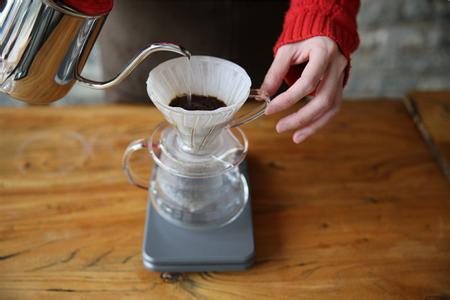
The Flavor characteristics of Rosa Coffee how much is the price per cup?
You may not know the story about Rosa Coffee, an ancient native species from the Geisha Mountain Mountains in southwestern Ethiopia, was brought as a coffee sample to a coffee laboratory in Costa Rica and distributed to several small farms for small-scale trials. For a long time

Elegant and unripe Panamanian Rosa Coffee Flavor description Variety characteristics introduction of Fine Coffee beans
Haines, a Swede, in 1924. Elliott founded Esmeralda Farm, which was not a coffee grower but a ranch. Forty years later, Daniel Lou in 1964. Mr. Bidarson's grandfather, Luther Ruffer. Mr. Bidarson bought Esmeralda Farm in order to have an old home after retirement, grandfather Luthor. Born in Sweden, Mr. Bidarsson was president of Bank of America and United.

Characteristics and Flavor description of Panamanian Coffee beans Grinding scale production area
The characteristics and flavor description of Panamanian coffee beans the processing method of grinding scale production areas of Jamaica Blue Mountains, Hawaii Kona also have to avoid, this wild variety originally from Ethiopia, after numerous battles, has now spread throughout the major coffee producing areas, and its best spokesman is from Panama's "LaEsmeralda" estate. History of Esmeralda Farm: 1924

Coffee Culture Story the Origin of American Coffee
Is it American coffee to dilute a cup of Espresso with water? Look at this: the origin of American coffee. American coffee was born after World War II, when the Americans came to southern Europe at the end of the war in Europe. They couldn't drink Espresso, so they diluted it with lukewarm water. Because only this concentration can be accepted, it can be seen that Espresso is not born to be a human being.

Panama Coffee Estate Emerald Estate Introduction Baru Volcano Coffee Region
The species Geisha was discovered in 1931 in Ethiopia's Guisha Forest and sent to the Coffee Institute in Kenya; introduced to Uganda and Tanzania in 1936, Costa Rica in 1953, Panama in the 1970s by Francesco de la Domba Seven Farm. Mr. Serrazin picked up seeds from CATIE in Costa Rica and started growing rosewood coffee.

A brief introduction to the Development of Esmeralda Farm Garden in Rosa
Following Cafe Review (official Wechat account vdailycom) discovers the history of Esmeralda Farm, which opened a small shop of its own: Haines Elliot of Sweden founded Esmeralda Farm in 1924, not as a coffee grower but as a ranch, 40 years later in 1964, Mr. Danielupidason's grandfather, Ruth Ruffer. Mr. Bidasson, in order to have a place to live after retirement,

Introduction of varieties produced by description of taste and flavor of washed Panamanian coffee beans
Description of the taste and flavor of washed Panamanian coffee beans introduce the history of Esmeralda Farm: in 1924 Haines Elliot, a Swede, founded Esmeralda Farm, which was not a coffee grower but a ranch. Forty years later, in 1964, Mr. Danielutsson's grandfather, Ruth Ruth. Mr. Bidarson took Esmera in order to have an old home after retirement.

Emerald Manor Rose Summer Coffee Price Flavor Description Processing Production Area Variety Introduction
The species Geisha was discovered in 1931 from Ethiopia's rosewood forests and sent to coffee research institutes in Kenya; introduced to Uganda and Tanzania in 1936, Costa Rica in 1953, Panama in the 1970s by Francesco de Tomba Seven Farm. Mr. Serrazin divided the seed from CATIE in Costa Rica and then

Panama Kaddura Coffee Flavor description Grinding scale Variety taste treatment Manor
Panamanian Kaddura coffee flavor description grinding scale varieties taste treatment Manor Panamanian better coffee has citrus, floral aromas, bright taste, elegant and complex flavor. The special mountainous terrain forms a microclimate which is very suitable for growing coffee. Cool weather and frequent fog slow down the ripening process of coffee cherries, and some people even say that this climate can already simulate the high sea.

Introduction to the characteristics of Manor Flavor and taste in Panamanian Coffee producing area
In 1996, Blaise and Rachel visited a farm for sale in the Haramijun area of the Bocketi Valley, and was attracted by the beautiful farm and immediately bought it. This is Esmeralda. Daniel Lou, the third son of Haramiqiong Farm. It was in this farm that Mr. Bidarson planted what attracted the attention of the coffee world-- the history of Esmeralda Farm, Geisha Coffee.

Introduction to Esmeralda Manor in Panama Rosa Coffee Manor
The market for Panama coffee: the first batch of Panamanian coffee exported each year starts in November, and almost all high-quality coffee beans are shipped to France and Finland. Generally speaking, the price of Panamanian coffee belongs to the low and medium price, but its performance in the cup is often as good as that of any famous or even expensive coffee producing area. The selling price of Panamanian special coffee in the international market

Introduction of Manor Flavor in Panamanian Coffee Bean producing area Esmeralda Manor Panamanian Coffee Manor
The species of LaEsmeralda "Geisha" was discovered in the rose summer forest of Ethiopia in 1931 and sent to the Coffee Research Institute in Kenya; it was introduced to Uganda and Tanzania in 1936, in Costa Rica in 1953, and Panama was started in the 1970s by Mr. Franci Coselazin of Dongba Seven Farm Garden from CATIE in Costa Rica.

Panamanian Coffee Manor Jade Manor introduces Baru Volcano Coffee producing area
The species of Geisha was discovered in the Rose Summer Forest of Ethiopia in 1931 and sent to the Coffee Institute in Kenya; it was introduced to Uganda and Tanzania in 1936, in Costa Rica in 1953, and Panama was introduced in the 1970s by Francesca of Dongba Seven Farm Garden. Mr. Serraxin got seeds from CATIE, Costa Rica, and started growing Rosa Coffee.

Panamanian Jade Manor Rose Summer Coffee beans Baru Volcano Jadeite Manor
The species of Geisha was discovered in the Rose Summer Forest of Ethiopia in 1931 and sent to the Coffee Institute in Kenya; it was introduced to Uganda and Tanzania in 1936, in Costa Rica in 1953, and Panama was introduced in the 1970s by Francesca of Dongba Seven Farm Garden. Mr. Serraxin got seeds from CATIE, Costa Rica, and started growing Rosa Coffee.

Introduction to the characteristics of Coffee varieties treated by the Grinding degree of Caesar Louis Manor in Panama
Cup test results: Apple, Potato, Maple syrup, Lemon Citrus, Coffee blossom, Roasted hazelnuts, Dark chocolate Fragrance (dry fragrance): jasmine, citrus, tea, honey Aroma (wet fragrance): berries, flowers, oil, vanilla, citrus Flavor (sipping): fruit juice sweet, sour, non-irritating, clean, Buddha